

 0
0
 0
0
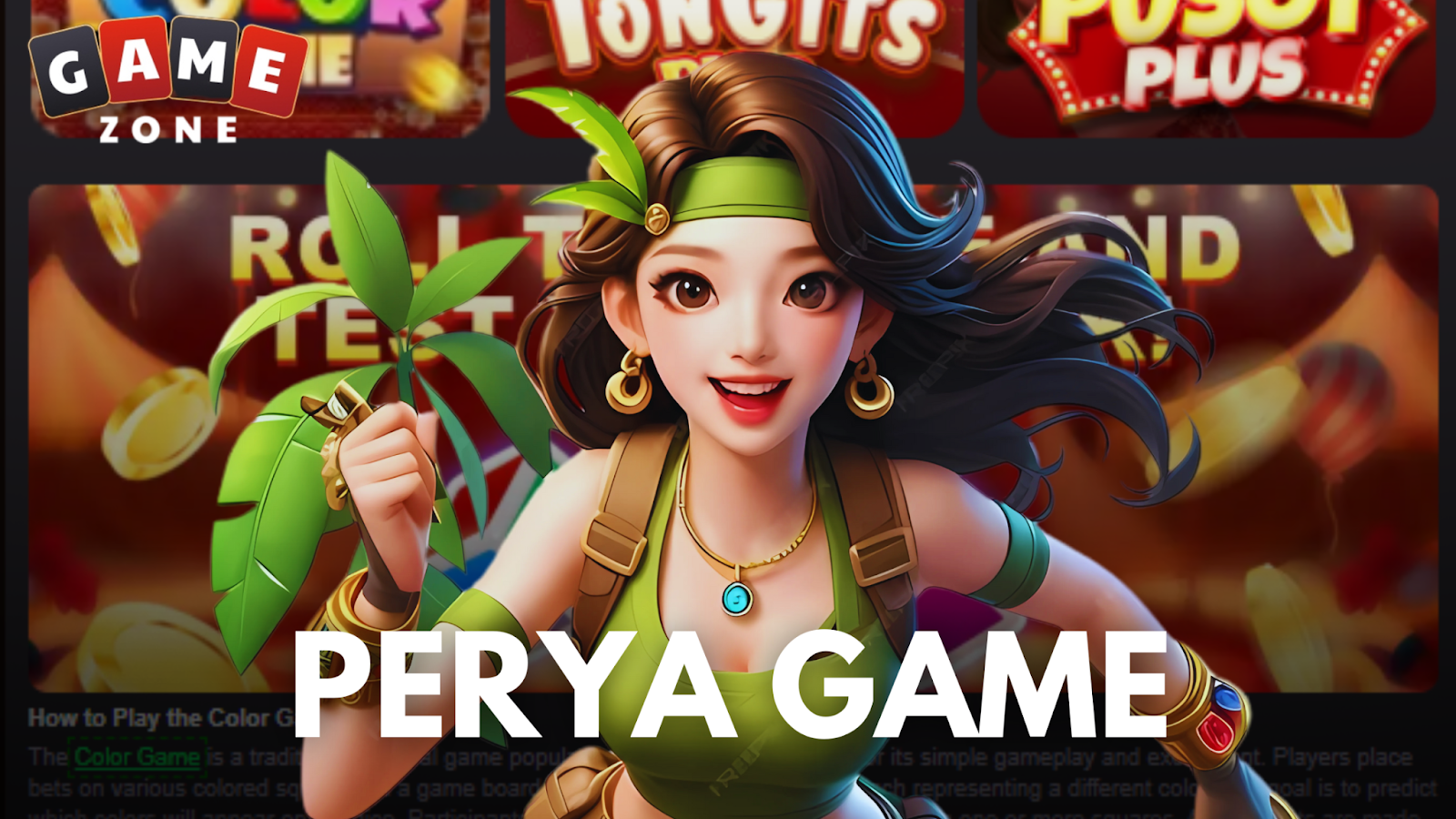
Across the Philippines, you’ll find that many online gaming discussions eventually circle back to something familiar—local culture, the atmosphere of neighborhood fairs, and the charm of Filipino games passed down through generations. Inside the GameZone community, this connection to tradition remains one of the most active conversation threads. Even though the platform focuses on card-based favorites like Tongits, Pusoy, and Color Game, players regularly bring up their experiences with peryagame-inspired titles found elsewhere. This steady interest reflects how deeply cultural themes continue to shape gaming choices among Filipino users.
Why Peryagame Continues to Resonate With Filipino Players
Peryagame stands out because it captures the spirit of local fairs—bright visuals, simple mechanics, and themes that mirror traditional community entertainment. For many players, these elements provide something more than just another digital pastime. They offer a touch of memory. They echo the sounds, sights, and excitement associated with local celebrations attended with family or friends.
Inside the GameZone community, this cultural connection fuels conversations. Players compare how different online platforms recreate the perya atmosphere, and they share stories about how these games resemble the stalls and attractions they grew up with. These discussions show that Filipino gamers aren’t focused only on mechanics or efficiency. They also seek identity markers—symbols, design choices, and interactions that feel familiar.
Even without hosting perya-style titles, GameZone naturally becomes part of this cultural conversation. The platform draws users who enjoy Filipino-inspired design and casual, accessible play. These users often branch out to other games with cultural themes, including those inspired by perya experiences. As a result, Peryagame remains a recurring point of interest, treated as part of a larger dialogue about Filipino digital entertainment.

What Makes the GameZone Community Draw Parallels With Peryagame
GameZone attracts users who enjoy traditional Filipino card games. That same audience also tends to explore perya-inspired digital titles elsewhere, and the overlap is not surprising. Both types of games reflect a heritage of social gatherings, playful rivalry, and community-driven fun. Many Filipino players see the connection immediately, and this influences how they talk about both experiences.
Several themes explain this crossover:
Shared Cultural Roots
Tongits, Pusoy, Color Game, and many perya-inspired games come from environments where Filipino families gather—fiestas, reunions, or neighborhood celebrations. These games have always served as social bridges, bringing people together. Peryagame reflects the vibrant energy of these spaces, and GameZone’s card titles mirror the same sense of togetherness and familiarity. This shared cultural background explains why players jump naturally between them when discussing their favorite digital experiences.
Simple Systems, Fast Rounds
One reason GameZone thrives is its emphasis on quick, easy-to-understand titles. Peryagame shares this quality. Its straightforward design lets users jump in without a steep learning curve. This makes the transition between different platforms smooth. Whether a player is in the mood for card play or perya-style attractions, the mechanics feel recognizable. This fluidity encourages players to explore both without feeling overwhelmed.
Interest in Filipino-Themed Content
Many Filipino gamers gravitate toward titles that reflect their local identity. GameZone’s collection—especially its strong emphasis on Tongits—appeals to this preference. But the same players also look for other games showcasing cultural themes. Peryagame often enters these conversations because it embraces local symbols, festive colors, and settings associated with Filipino traditions. This encourages players to treat it as part of a broader cultural experience, even when they primarily use GameZone for structured card play.
This merging of cultural memory and digital habits has created a lively community environment. Even when GameZone highlights its own catalog from gzone.ph, users still discuss Peryagame as part of their shared identity as Filipino gamers.

Accessibility and Digital Ease Help Sustain Interest
GameZone has gained a strong following in the Philippines because of its straightforward design, clear interface, and support tools that help users enjoy long sessions without confusion. These elements make it easy for players to concentrate on strategy and simple entertainment. And while GameZone does not host Peryagame titles, the characteristics of its audience—especially their preference for simple, accessible play—overlap with those who enjoy digital perya-style experiences elsewhere.
Peryagame versions found online often mirror the qualities Filipino players appreciate most:
Vibrant Themes With Strong Local Flavor
Digital perya-style games often showcase bold colors, easily recognizable icons, and surroundings that evoke fiesta celebrations. These visuals immediately capture attention and give users a sense of cultural familiarity.
Flexible Play Styles for Casual Users
Many Filipino players shift between offline community events and online platforms. Both GameZone and various Peryagame versions meet this need for flexibility. Some Peryagame formats emphasize fast, casual rounds, while GameZone offers games that reward focus and steady skill development. Together, these experiences allow players to enjoy digital play regardless of mood or schedule.
Strong Sense of Community
Both GameZone and digital Peryagame experiences encourage conversation, sharing, and friendly comparisons. Users enjoy talking about memorable rounds, discussing game flow, or giving recommendations. Even when discussing separate platforms, the community bonds remain strong. This collective engagement keeps Peryagame relevant in conversations among GameZone users.
These overlapping habits reflect how Filipino players navigate digital entertainment. They appreciate structure when exploring card-based strategy, but they also enjoy the lighthearted energy of casual, perya-inspired play.
A Cultural Thread That Continues to Influence Digital Choices
What makes Peryagame so enduring among GameZone users is not simply its mechanics but its cultural anchor. Filipino players gravitate toward games that feel familiar, social, and festive. The atmosphere carried over from local fairs translates well into digital environments, and this familiarity encourages players to engage more deeply.
Meanwhile, GameZone gives players a structured space to enjoy titles rooted in the same traditions. Even if Peryagame is not part of its catalog, the cultural connection remains strong because users carry those memories with them. They perceive both types of games as part of a wider Filipino gaming lifestyle—casual, lively, and grounded in shared experiences.
As digital entertainment continues to expand, these cultural ties will remain influential. Filipino players will keep seeking games that reflect their identity, whether through traditional card formats or perya-inspired online titles. And within community hubs like GameZone, discussions about Peryagame will continue as long as the culture that shaped it remains alive and vibrant.


